

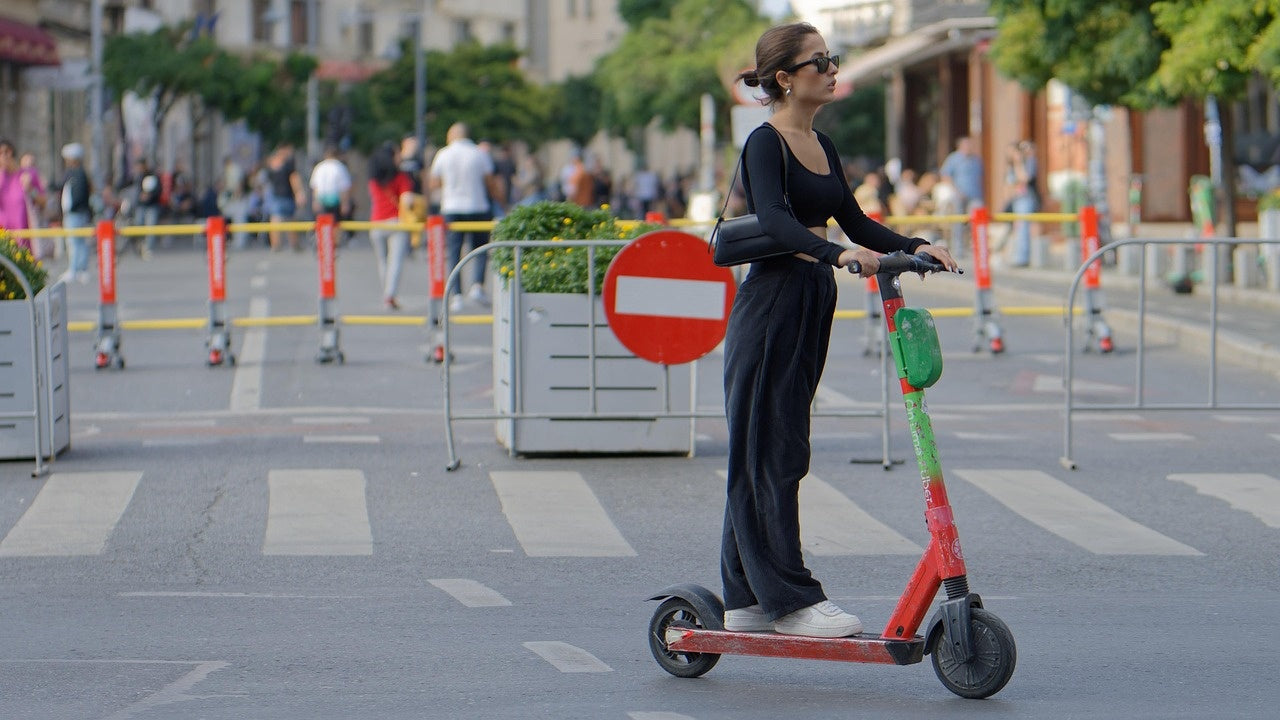
La rimozione del limitatore di velocità da un monopattino elettrico è un argomento che attira un'enorme attenzione online. Molti motociclisti cercano come rimuovere il limitatore di velocità dal monopattino elettrico perché ritengono che il loro monopattino sia capace di una velocità superiore a quella consentita dall'impostazione di fabbrica. Sebbene questa curiosità sia comprensibile, l'argomento comporta non solo complessità tecniche, ma anche considerazioni legali, di sicurezza e di affidabilità a lungo termine.
Questa guida approfondita spiega come funzionano effettivamente i limitatori di velocità, perché i produttori li impongono, quali metodi sono comunemente discussi online e, soprattutto, quali alternative più sicure e legali esistono. L'obiettivo non è incoraggiare modifiche pericolose o illegali, ma fornire informazioni chiare, professionali e basate sull'esperienza in modo che i lettori possano prendere decisioni informate.
Perché i monopattini elettrici hanno i limitatori di velocità
I limitatori di velocità non vengono installati arbitrariamente. Fanno parte di un sistema attentamente bilanciato progettato per soddisfare i requisiti normativi, di sicurezza e ingegneristici.
Nella maggior parte delle regioni, i monopattini elettrici sono classificati come veicoli elettrici leggeri. Questa classificazione consente il loro utilizzo senza registrazione o assicurazione, ma solo se soddisfano rigorosi limiti di velocità massima e potenza. Ad esempio, molti paesi europei limitano i monopattini a 20-25 km/h, mentre diversi stati degli Stati Uniti stabiliscono limiti tra 15 e 20 mph.
Dal punto di vista ingegneristico, i limitatori di velocità proteggono anche i componenti critici. Motori, controller, batterie, freni e telai sono progettati per funzionare in modo ottimale all'interno di un intervallo di velocità specifico. Superare tale intervallo aumenta il calore, lo stress e l'usura, spesso in modi che non sono immediatamente visibili al guidatore.
Come funzionano i limitatori di velocità nei monopattini elettrici
Un limitatore di velocità è solitamente implementato tramite il sistema di controllo elettronico del monopattino anziché da un singolo componente fisico, anche come i produttori controllano la velocità del monopattino? Il controller riceve continuamente dati dai sensori di velocità e li confronta con un valore massimo preimpostato memorizzato nel firmware. Quando il monopattino raggiunge quella soglia, il controller riduce o taglia la potenza al motore.
I monopattini elettrici moderni spesso integrano questo limite con parametri aggiuntivi come la tensione della batteria, la temperatura del motore e la selezione della modalità di guida. Ciò significa che il limite di velocità fa parte di un algoritmo più ampio di sicurezza ed efficienza piuttosto che di un semplice interruttore on-off.
Tipi comuni di limitatori di velocità
Comprendere quale tipo di limitatore utilizza il tuo monopattino è essenziale prima di considerare qualsiasi modifica.
I limitatori di velocità basati su software sono i più comuni. Marchi come Xiaomi, Segway-Ninebot, NIU e molti produttori OEM si affidano a limiti controllati dal firmware. Questi sono spesso collegati alle normative regionali e possono cambiare a seconda del paese in cui il monopattino viene venduto o attivato.
I limitatori di velocità basati su hardware appaiono principalmente nei modelli più vecchi o di fascia bassa. Possono assumere la forma di un filo, un anello o una resistenza che limita fisicamente l'erogazione di potenza. Sebbene siano più facili da identificare, sono molto meno comuni nei monopattini moderni.
I limitatori basati su app e regione sono sempre più popolari. Alcuni monopattini utilizzano dati GPS, posizione dell'account o codici regionali del firmware per applicare dinamicamente i limiti di velocità. Questi sistemi sono progettati specificamente per prevenire una facile elusione.
È legale rimuovere un limitatore di velocità?
La legalità è uno degli aspetti più incompresi di questo argomento. Nella maggior parte dei paesi, la rimozione di un limitatore di velocità rende il monopattino illegale per l'uso su strade pubbliche e piste ciclabili.
Nell'UE e nel Regno Unito, superare il limite di velocità legale riclassifica tipicamente il monopattino come veicolo a motore. Ciò può richiedere registrazione, assicurazione, uso del casco e conformità a ulteriori standard tecnici. Norme simili si applicano in molte parti del Nord America e dell'Asia.
Anche in regioni con un'applicazione meno rigorosa, la responsabilità diventa un problema serio. In caso di incidente, gli assicuratori possono rifiutare la copertura se il monopattino è stato modificato oltre le specifiche legali.
Come rimuovere il limitatore di velocità dal monopattino elettrico: metodi spiegati
Prima di discutere i metodi, è importante sottolineare che le seguenti informazioni sono fornite solo a scopo educativo. Qualsiasi modifica dovrebbe essere limitata a proprietà private o ambienti controllati dove è legale farlo.
Un approccio comunemente discusso è la modifica del firmware. Ciò comporta l'accesso al software del controller del monopattino tramite Bluetooth o una connessione cablata e il flashing di un file firmware modificato con un limite di velocità più alto. Sebbene popolare online, questo metodo comporta rischi significativi, tra cui guasti al controller, surriscaldamento e danni permanenti alla batteria o al motore.
Un altro metodo consiste nel sostituire il controller di serie con un'unità aftermarket. Ciò consente il pieno controllo sulla velocità, l'accelerazione e l'erogazione di potenza. Tuttavia, richiede conoscenze elettriche avanzate, spesso interrompe la compatibilità con le app e può compromettere le funzionalità di sicurezza integrate.
Per i monopattini con limitatori hardware, alcuni utenti tentano di scollegare o tagliare il filo del limitatore. Ciò è applicabile solo a un piccolo sottoinsieme di modelli ed è rischioso se viene identificato il filo sbagliato. I danni causati da modifiche errate sono solitamente irreversibili.
Vengono discusse online anche soluzioni alternative basate su app o regione, come il downgrade del firmware o la modifica delle impostazioni regionali. Questi metodi sono sempre meno affidabili, poiché i produttori regolarmente risolvono tali vulnerabilità tramite aggiornamenti.
I costi nascosti della rimozione di un limitatore di velocità
Aumentare la velocità massima ha conseguenze che molti motociclisti sottovalutano. Una velocità maggiore aumenta significativamente la distanza di frenata, spesso oltre ciò per cui i freni del monopattino sono stati progettati. Aumentano anche lo stress del telaio e le vibrazioni, accelerando la fatica del metallo e l'allentamento dei componenti.
Le prestazioni della batteria sono un altro fattore critico. Il funzionamento a velocità più elevate assorbe più corrente, portando a una più rapida degradazione della batteria e a una riduzione dell'autonomia. Negli scenari di test professionali, la guida prolungata al di sopra della velocità di progetto può ridurre la durata della batteria in modo significativo.
Alternative più sicure e legali alla rimozione del limitatore di velocità
Per la maggior parte dei ciclisti, migliorare l'esperienza di guida complessiva non richiede la rimozione del limitatore di velocità. Quindi, quali sono le alternative legali alla rimozione di un limitatore di velocità?
Scegliere uno scooter progettato legalmente per velocità più elevate è spesso la soluzione migliore. I modelli orientati alle prestazioni utilizzano telai più robusti, freni migliori, batterie di maggiore capacità e motori più efficienti.
Un altro approccio efficace è migliorare l'accelerazione e la coppia piuttosto che la velocità massima. Una maggiore potenza ai bassi regimi fa sentire uno scooter più veloce e reattivo senza superare i limiti legali.
L'aggiornamento degli pneumatici e il mantenimento della corretta pressione degli pneumatici possono ridurre la resistenza al rotolamento e migliorare la stabilità. Sebbene il guadagno di velocità sia modesto, il miglioramento della qualità di guida e della sicurezza è notevole.
La distribuzione del peso del ciclista, la postura e la manutenzione regolare giocano anche un ruolo. Fattori semplici come le condizioni dei cuscinetti e l'allineamento dei freni possono influenzare le prestazioni nel mondo reale più di molte modifiche al firmware.
Domande frequenti
La rimozione del limitatore di velocità aumenta l'autonomia? Nella maggior parte dei casi, no. Velocità più elevate di solito riducono l'autonomia a causa dell'aumento del consumo di energia.
Il produttore può rilevare la rimozione del limitatore? Sì. Molti controller registrano i parametri operativi che possono rivelare modifiche non autorizzate.
Un aggiornamento software ripristinerà il limitatore? Spesso sì. Gli aggiornamenti over-the-air riapplicano frequentemente le restrizioni di fabbrica.
È possibile rimuovere il limitatore e rimanere assicurati? Generalmente no, a meno che lo scooter non venga legalmente riclassificato e assicurato di conseguenza.
Conclusione professionale
Capire come rimuovere il limitatore di velocità da un monopattino elettrico riguarda meno l'atto in sé e più il capire perché il limitatore esiste. Da una prospettiva professionale e normativa, la rimozione di un limitatore di velocità raramente ha senso per i ciclisti di tutti i giorni che utilizzano infrastrutture pubbliche.
I monopattini elettrici sono progettati come sistemi completi. Alterare un parametro senza aggiornare il resto spesso porta a rischi per la sicurezza, problemi legali e problemi di affidabilità a lungo termine. I ciclisti che cercano prestazioni più elevate sono meglio serviti scegliendo attrezzature progettate per questo scopo e guidando entro i limiti legali.
Ultimo aggiornamento: 2026
Questo articolo viene periodicamente revisionato per riflettere i cambiamenti normativi, gli sviluppi tecnologici e le migliori pratiche nella progettazione e nell'utilizzo dei monopattini elettrici.
Condividi:
Serve la Patente per una Bicicletta Elettrica? Guida Globale 2026 - Leggi, Classificazioni e Requisiti
Spiegazione del limitatore di velocità per monopattini elettrici: come i produttori controllano la velocità e perché è importante